Naps at Daycare, Never at Home: The Schedule Fix
If your youngest sleeps two hours flat on a mat at daycare and then treats a nap at home like a personal insult, the room isn’t better at this than you are — it’s more predictable than you are. Same clock, same sequence, nothing negotiable. Three moves close most of the gap: get the room’s actual times in writing, copy its pre-nap sequence rather than its furniture, and defend that slot from the school-run calendar. The last one is the hard part in a house that also has a 3:20 pickup.
The room isn’t better at naps. It’s more predictable.
Nothing happens at daycare that you couldn’t do. There’s no technique. There’s a schedule nobody negotiates with — lunch at 11:30 whether or not anybody’s hungry, mats down at 12:00 whether or not anybody’s tired, the same fifteen minutes of wind-down, every day.
Your house has something else. It has a calendar. The nap floats — 12:30 Tuesday because you got back from the store, 1:45 Wednesday because the big kid’s dentist ran long, skipped Thursday because it was easier to keep driving. Each decision was reasonable alone; together they taught a small person that midday is a category of time where anything might happen. Thrilling is the opposite of drowsy.
The other half is peer pressure — eleven kids lying down at once — which you can’t reproduce. Reproduce what’s reproducible: the clock and the sequence.
Get the room’s real numbers
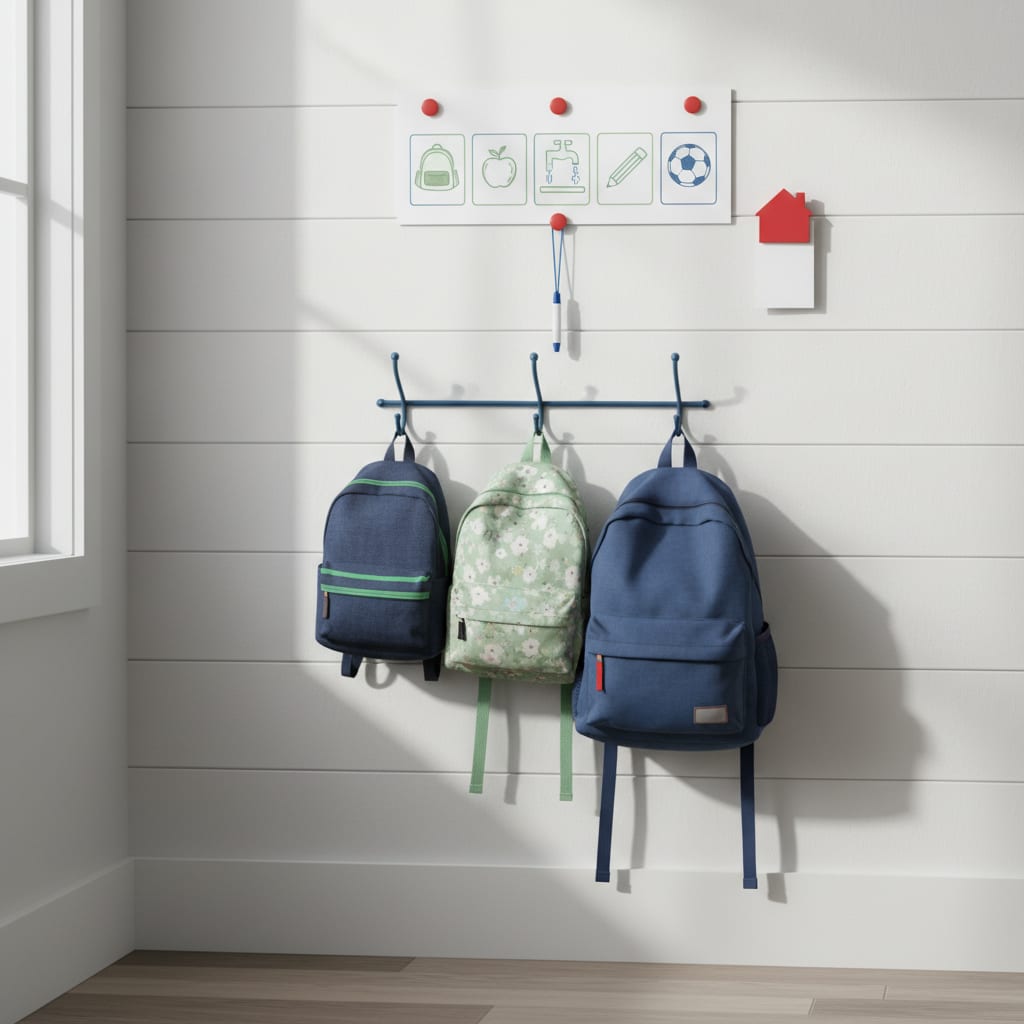
At pickup, ask three questions, and write the answers on the command-center wall where the household’s other times live. A number you’re guessing at is a number that drifts.
- What time did they actually fall asleep, and what time did they wake up? Not the scheduled nap window — the real one. There’s often a twenty-minute gap between “mats down at 12:00” and “asleep at 12:20,” and that twenty minutes is exactly what you’re missing at home.
- What happens in the fifteen minutes before? Lunch, hands washed, shoes off, a book, lights down. That order is the whole trick.
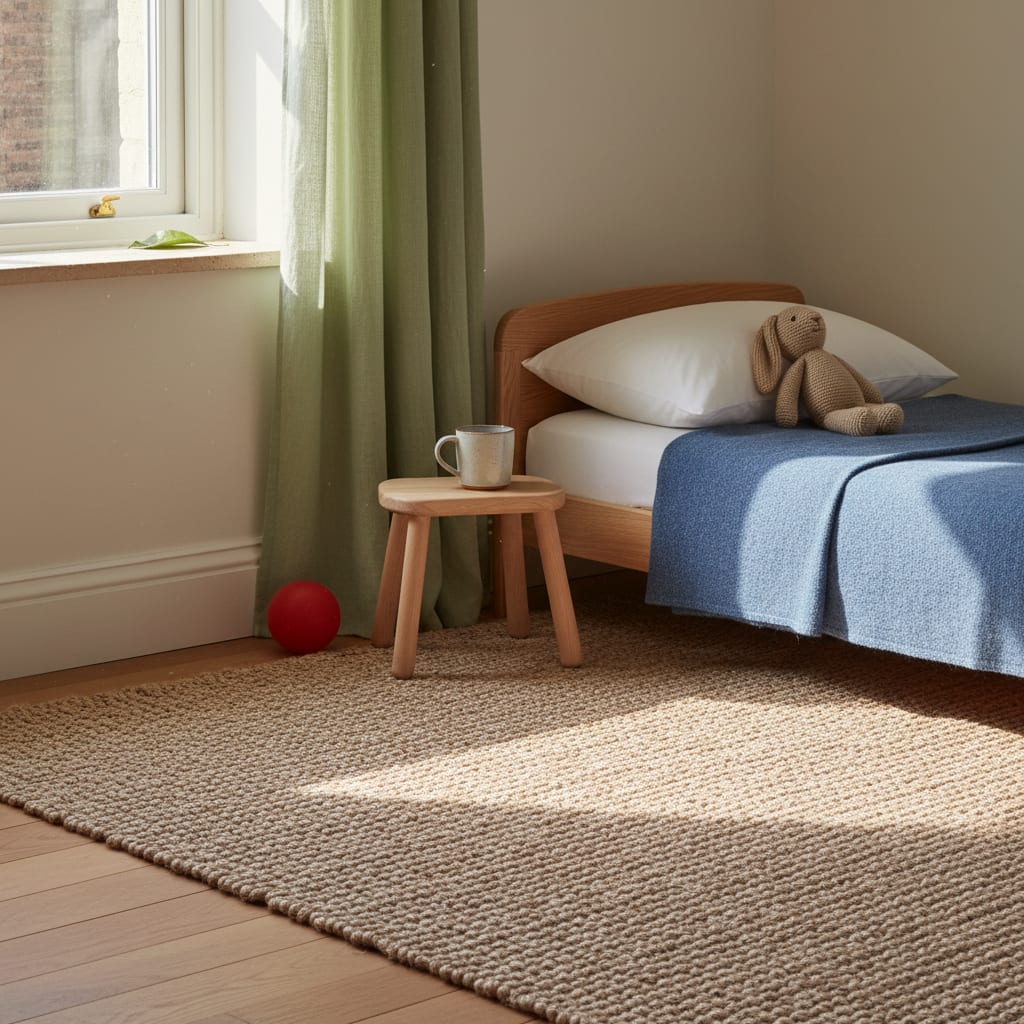
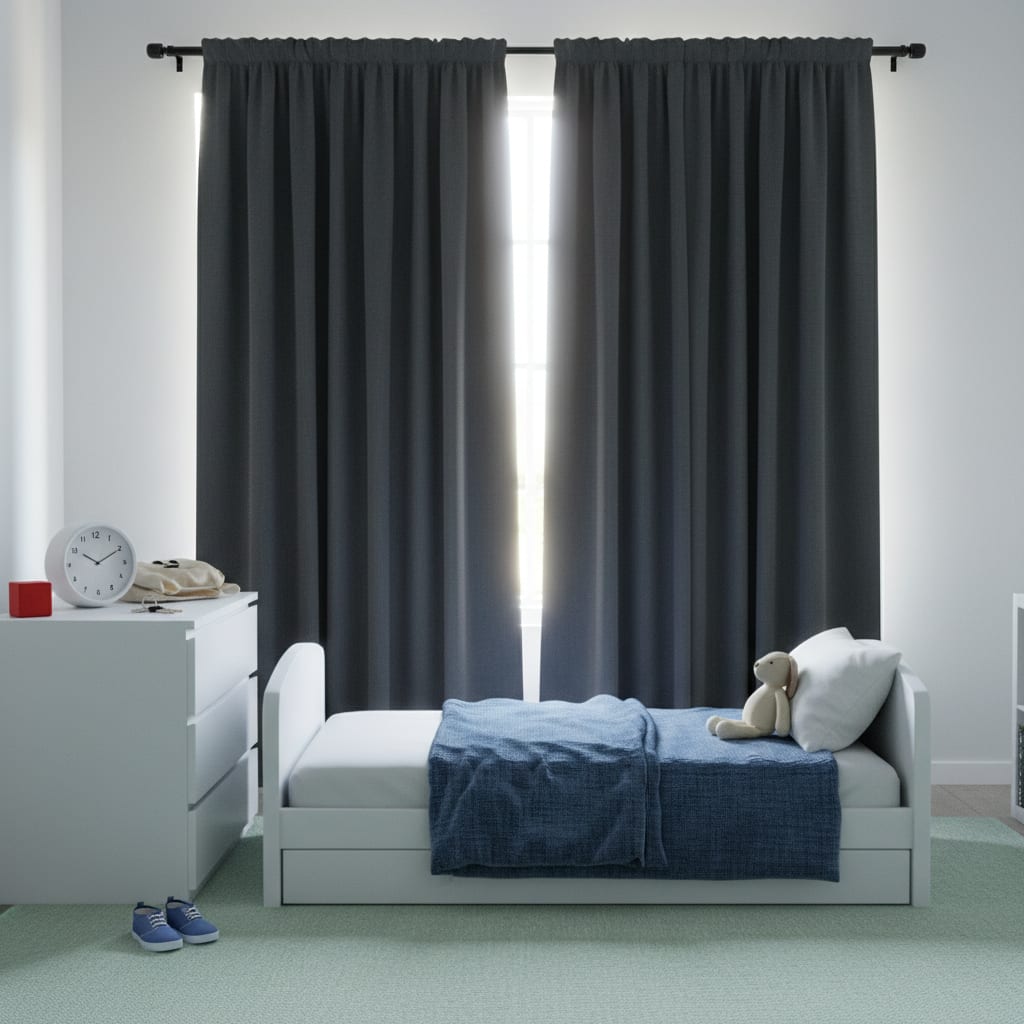
- What’s the room actually like? Blinds down but not blackout, a fan running, mats on the floor. Usually less dark and less quiet than the nursery you’ve built at home, which surprises people.
Then hold those numbers on weekends. If they fall asleep at 12:20 at daycare, 12:20 is the Saturday target too — consistency across the week beats the perfect time on any one day.
Rebuild the sequence, not the room
The instinct is to redecorate — blackout everything, buy a machine, change the crib. Skip it. What transfers is the fifteen minutes, in order, in the same words.
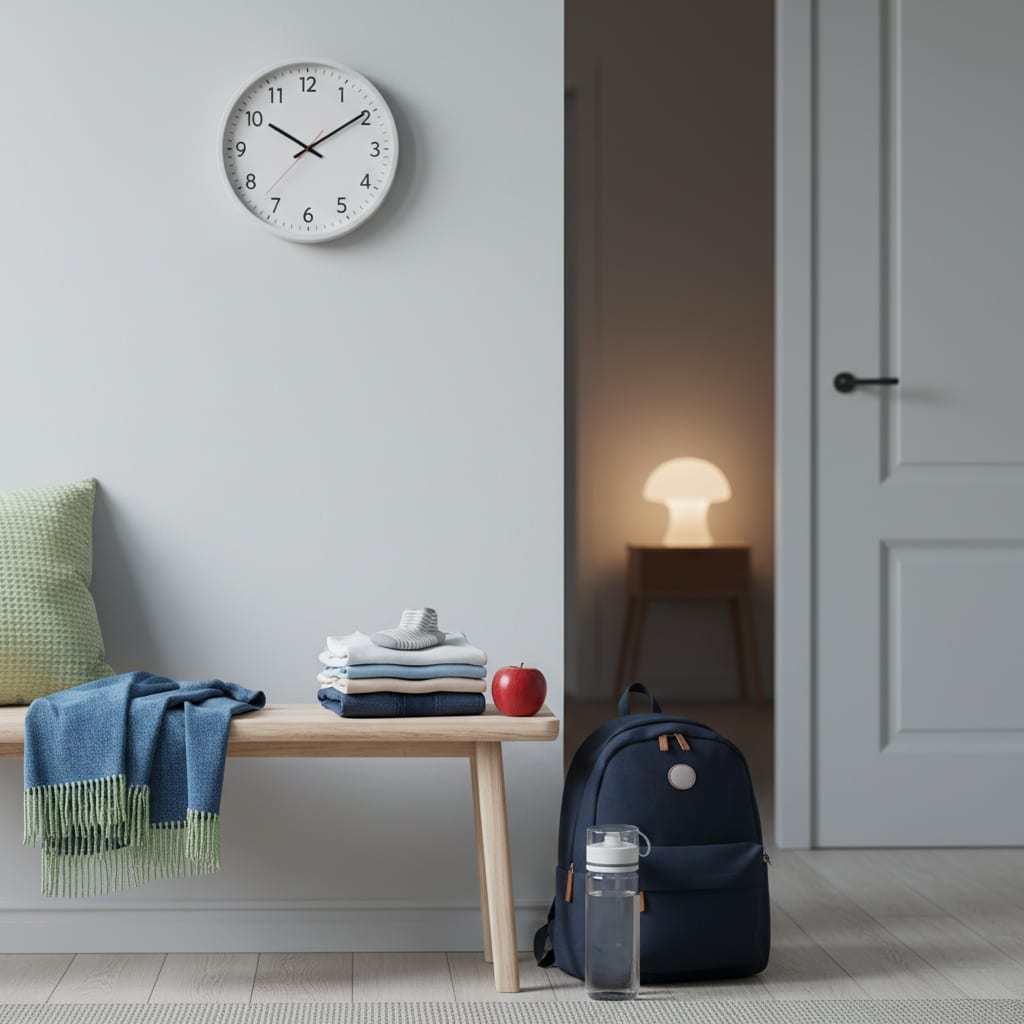
Ours is four steps and twelve minutes: lunch ends and the plate goes in the sink together, shoes and socks off by the door, two books on the bed, blinds down and the same sentence — “we’re having quiet time now.” Same order Sunday or Wednesday. The order is the signal: a body that’s had the same four cues two hundred times starts the drowsy part around cue two, and no blackout curtain replicates that.
One environmental note: if the daycare room runs a fan and yours is silent, add the sound. A fan-based machine like the Yogasleep Dohm is the closest match to what the room is already doing, and a quiet suburban bedroom at 12:30 on a Saturday still contains a lawnmower, a doorbell and two older siblings.
The suburban collision: the nap lives inside the school run
Here’s what the generic advice never touches, and it’s the real reason weekdays fail. Your youngest’s sleep window isn’t sitting in an empty afternoon. It’s sitting inside an operational schedule built for people three times his size.
| Time | What the household needs | What the nap needs |
|---|---|---|
| 12:20–2:20 | Errands done while one kid is out of the house | To be asleep, at home, in one place |
| 2:50 | Leave for the elementary pickup line | To still be asleep |
| 3:20 | Bell, and a car with a car seat in it | Not to be woken into a car |
| 4:30–5:15 | Snack, homework start, leave for practice | A kid who isn’t halfway through a sleep debt |
Look at 2:50: the nap and the pickup line overlap by half an hour, every weekday, structurally. The bell schedule and the nap schedule were written by institutions that have never met.
So it’s a routing problem, and routing problems have routing answers — the same reason the 3–8pm time map exists for the big kids. Somebody else does the 3:20 run on the days the nap matters most. That’s what a carpool arrangement is for, and “I have a napping kid” is one of the most easily traded reasons on a street: you take two extra kids on Fridays, you get Tuesday and Wednesday afternoons at home.
Defending the slot when the calendar wants it
Three rules that have survived here:
The car nap is a debt, not a nap. Forty minutes in the pickup line takes the edge off just enough to destroy the real nap, not enough to replace it. If the drive is unavoidable, call it a no-nap day and pull bedtime thirty minutes earlier rather than chasing a 4:15 lie-down that eats the evening.
Errands get the morning or they get skipped. Nothing that isn’t bleeding goes in the 12:00–2:30 block. It feels rigid for two weeks, then it feels like having your afternoons back.
Budget the exceptions. Two a week, named in advance. Written down they cost nothing; unwritten they multiply, and by week three the nap is floating again.
Saturday is the hardest nap day of the week
Everyone expects the weekend to be easier. It’s the opposite: no daycare clock, two siblings home, a soccer game at 10:15. The weekend nap fails, Monday is rough, and it reads like the daycare nap “stopped working.”
Run Saturday closer to a daycare day than to a weekend: same wake-up window, same lunch time, same four cues, same slot. Put the older kids’ game before it and their activity after it, and accept one immovable midday appointment. Holding it is what keeps Monday’s after-school landing from turning into a 5pm meltdown.
When it isn’t a schedule problem
Sometimes you copy the clock exactly and it still doesn’t work. At that point you’re troubleshooting sleep, not logistics, and two things are worth reading before you conclude the nap is over. If home naps are consistently short — thirty or forty minutes while daycare gets two — that’s a known pattern with known causes, and Betteroo’s breakdown of why short naps keep happening is the place I’d start. And if a kid fights the lie-down entirely, the gap between waking and napping may have outgrown the room’s schedule — the wake-window ranges by age will tell you whether you’re aiming at a window that closed six months ago.
That’s the honest limit of what a logistics captain can fix. I can route the afternoon around the nap. I can’t tell you whether the nap itself is the right length for a 14-month-old.

FAQ: daycare naps that don’t happen at home
Why does my child nap at daycare but not at home?
Because daycare’s midday never varies — same time, same sequence, same room — while home naps float around errands, pickups and appointments. Copy the room’s actual fall-asleep time and its pre-nap sequence, hold both on weekends, and most of the difference closes.
Should I keep the daycare nap schedule on weekends?
Yes, as closely as Saturday allows: same wake-up window, same lunch time, same nap slot. A weekend running two hours off the weekday clock costs you Monday as well as Sunday, and it’s the most common reason a working nap appears to stop working.
What do I ask daycare about naps?
Three things at pickup: what time they actually fell asleep and woke, what the fifteen minutes before looked like in order, and what the room’s light and sound are really like. Write them where the household’s other times live — guessed numbers drift within a week.
How do I nap a toddler when I have to do school pickup?
Treat it as a routing problem. Trade the 3:20 run to a carpool partner on the days the nap matters most and take an extra shift another day. If you must drive through the window, count it as a no-nap day and move bedtime thirty minutes earlier rather than chasing a late lie-down.