Room Mom Duties: The Room Parent's Year on One Page

Room mom duties, or room parent duties as more schools now call them, come down to five jobs: meet the teacher once and ask what they actually want, build the class contact list, put every class party and event on the calendar with lead time, run a volunteer rota so the same four parents don’t do everything, and handle the teacher-gift collection as a money job. None of it is hard. What makes the role feel huge is doing all five as surprises. Put them on one page in September and the room parent’s year turns into a series of reminders.
I ran a middle-school front office for eight years. From that side of the counter, the room parents who made teachers’ lives easier weren’t the ones with the best party ideas. They were the ones who asked early, sent one clear message instead of six, and never made the teacher chase a form.
First job: one meeting, five questions
Before you send anything to the class, get fifteen minutes with the teacher, in person or by email. You’re not pitching ideas. You’re finding out the rules of this particular classroom, because they vary more than you’d guess.
- Which events does the class actually have? Some rooms do three parties a year, some do one, some do none and want help with a field day instead.
- How should I contact families? Through the school’s messaging app, a sheet the office sends home, or a list you build yourself? Some schools won’t hand out contact details at all, and you’ll need an opt-in sheet.
- What are the food and allergy rules? Ask for the rule, not the list of which children have which allergy. The rule is what goes on the sign-up sheet.
- Do you want help during the day? Copying, reading, sorting, or nothing at all.
- How do you want to hear from me? One weekly email, texts only for emergencies, or a quick word at pickup.
Write the answers down. They’re the rules for the whole year.
Build the class list once, properly
The contact list is the room parent’s main tool, so build it once and build it well. One row per child, with each family’s preferred name and channel, plus a column for “happy to help with”. Make sharing opt-in. A short line in your first message does it: “Reply with the best way to reach you and anything you’d be glad to help with this year — anything you send stays with the room parents and the teacher.”
You won’t get every family on the first message, and that’s fine. Leave the missing rows on the sheet and send one follow-up a week later. Don’t chase anyone past that. Some families will only ever read the teacher’s newsletter, so anything important goes through the teacher’s channel as well as yours.
This is a sibling of the team mom’s roster, which is the sports version of the same job with a coach instead of a teacher.
The party-date sweep: enter it as lead time
This is where the calendar earns its place. Once the teacher confirms the events, every one gets two entries, never just the day itself:
| Event | Lead-time reminder | What the reminder says |
|---|---|---|
| Fall or Halloween party | 3 weeks before | Post the sign-up sheet; confirm the allergy rule with the teacher |
| Winter party | 3 weeks before | Same, plus ask about any family who doesn’t celebrate |
| Teacher Appreciation Week | 4 weeks before | Open the gift collection; set a close date one week out |
| Valentine’s or spring party | 3 weeks before | Sign-up sheet; confirm whether class cards are allowed |
| End-of-year party or picnic | 4 weeks before | Sign-up sheet; confirm whether it’s at school or off-site |
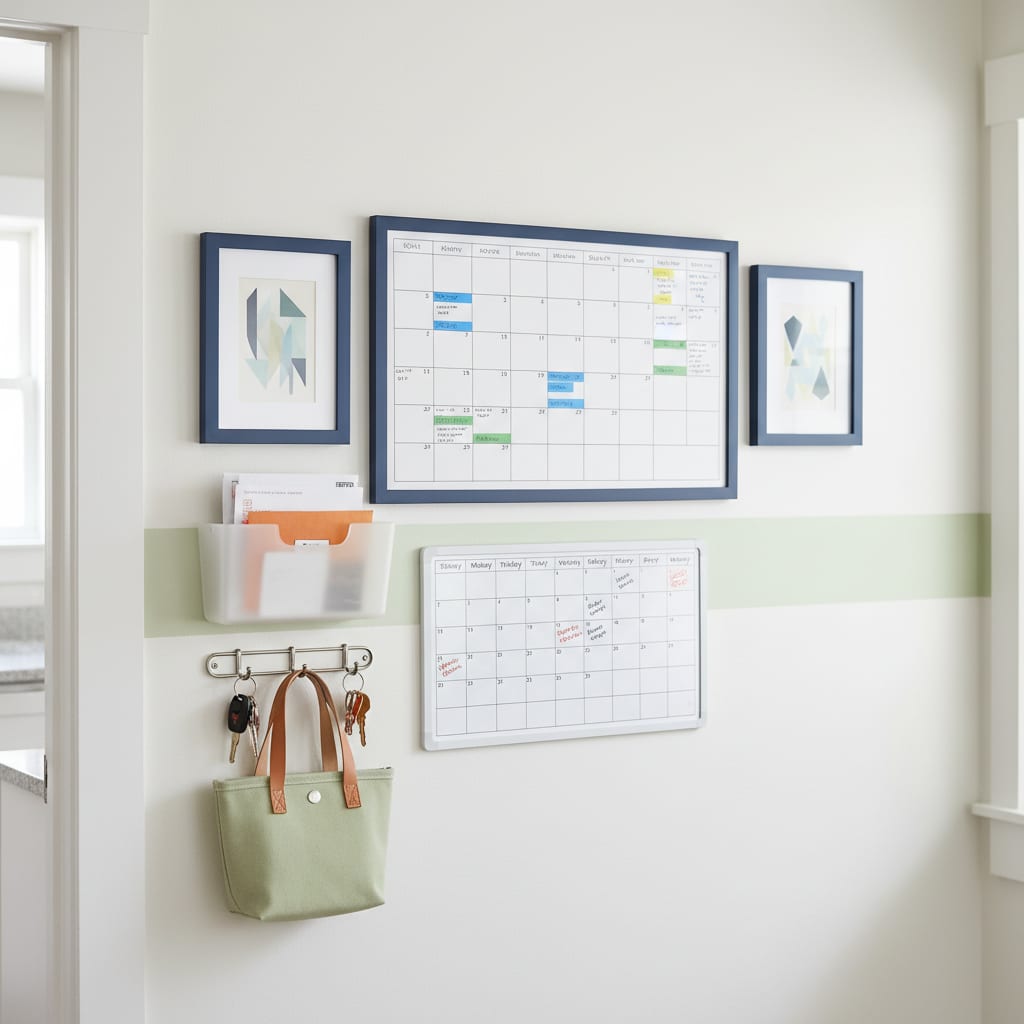
Three weeks is enough time for parents to sign up and shop without anyone forgetting. For the collection it’s four, because money moves slowly. Put the reminders on the shared family calendar in the same sitting as your school-year calendar sweep, so they sit alongside picture day and conference night instead of on a sticky note somewhere else.
The printable: the class-party sign-up sheet
One sheet per party, posted three weeks out, in whatever format the class actually uses (a paper sheet at pickup, a shared doc, a sign-up tool). The columns are the same for every party:
| Slot | How many | Name | Notes |
|---|---|---|---|
| Set-up helpers (in the room, 20 min before) | 2 | ||
| Activity station runners | 2–3 | Games come from the teacher’s list | |
| Food by category (per the class allergy rule) | per category | Category, never a specific brand | |
| Drinks and cups | 1 | ||
| Paper goods and wipes | 1 | ||
| Clean-up crew (last 15 minutes) | 2 | ||
| ”Can’t be there, can send something” | open |
That last row matters more than any other. It gives working parents a real way to contribute, and it’s usually the row that fills first. What goes in each food slot isn’t my department. The sheet just makes sure nothing is doubled and nothing is missing. For game ideas, justmotherhood has a set of Halloween party games for kids that work in a classroom too. Run them past the teacher first.
The volunteer rota: spread the load on purpose
Without a rota, the same few parents do everything and the rest feel shut out. Keep a running tally on the class list of who has signed up for what. Before posting each new sheet, message two or three families who haven’t done anything yet and ask them directly: “We still need a set-up helper on the 30th — would that work for you?” Most people say yes to a specific ask when they’d have scrolled past a general one.
If you’re weighing whether to take this role on at all, how to choose a school volunteer slot sets out what each role costs in hours. Room parent is the one with no natural end, so set your limits now.
The teacher gift: run it as money logistics
The collection is a money job with a deadline, and it gets handled like one:
- Ask once, with a close date. One message saying what it’s for, when it closes and how to contribute. Say clearly that any amount is welcome, including nothing, and never name a suggested figure.
- Keep a private ledger. Who contributed, never how much, and only so the card can list names.
- Sign the card from the class. Every child’s name goes on it, whether their family contributed or not. That’s the rule that keeps it kind.
- Close on the date. Late contributions go into the next collection.
What to actually give is a gift-guide question. The logistics end when the money is in and the card is signed.
Group-chat house rules
If the class runs a group chat, put four rules in the first message and pin them:
- Logistics only: dates, sign-ups, lost sweatshirts. Feelings about the school go to the school.
- No child named in a complaint, ever.
- Questions for the teacher go to the teacher.
- The room parent posts a summary once a week, so nobody has to read 200 messages to find out what’s happening.
Rule four is the one that saves the most time. A weekly summary means the families who muted the chat still hear about everything.
FAQ: room mom duties
What does a room mom actually do? She’s the link between the teacher and the class families: she keeps the contact list, organizes class parties and the sign-ups for them, recruits other parents to help, and usually runs the teacher-gift collection. How much of that applies depends on the teacher, which is why the first meeting matters.
Room mom or room parent: is there a difference? No. Many schools now say “room parent” because dads and grandparents do the job too. The duties are the same.
How much time does it take? It’s lumpy rather than weekly: a busy September, a few hours in the three weeks before each party, and a busy stretch before Teacher Appreciation Week. The lead-time reminders spread those peaks out.
Can two parents share the role? Yes, and it often works better. Split it by job rather than by event: one person keeps the list and the chat, the other runs sign-ups and the collection.